Unlock Radiant Skin: The Ultimate Guide to Chemical Peels for Flawless Complexion
In the quest for radiant and flawless skin, many people explore various cosmetic treatments, with chemical peels gaining significant popularity. These treatments promise to rejuvenate the skin by addressing a range of concerns, from acne scars to fine lines. If you’re considering chemical peels, this ultimate guide will provide you with an in-depth understanding of what they are, the different types available, their benefits, preparation steps, aftercare tips, and who should avoid them. Dive in and discover how you can achieve a brighter, healthier complexion with chemical peels!
Key Takeaways
- Chemical peels are a skincare treatment that exfoliates the skin to improve its texture and appearance.
- There are various types of chemical peels, including superficial, medium, and deep, each suited for different skin concerns.
- Benefits of chemical peels include reducing acne scars, minimizing fine lines, and promoting an even skin tone.
- Proper preparation and understanding what to expect can enhance the effectiveness and comfort of your chemical peel experience.
- Aftercare is crucial for achieving optimal results, and certain individuals should avoid chemical peels to prevent adverse effects.
What Are Chemical Peels?
Chemical peels are a popular dermatological treatment designed to enhance the skin's appearance by employing a specially formulated solution to exfoliate the outer layers. This process, which involves applying a chemical solution to the skin, helps to remove dead skin cells, reduce the appearance of fine lines, and improve issues like acne scars and hyperpigmentation. Depending on the desired results, chemical peels vary in strength—from superficial peels that peel away just the outermost layer of skin to deeper peels that penetrate more profoundly. Choosing the right type of chemical peel is crucial, as it should align with your skin type and aesthetic goals. With proper aftercare and professional guidance, chemical peels can lead to a brighter, smoother complexion. If you're considering this treatment, it's essential to consult with a qualified dermatologist to determine the best approach for achieving your skincare objectives.
Types of Chemical Peels: A Comprehensive Overview
Chemical peels are a popular cosmetic procedure that involves applying a solution to the skin to exfoliate and improve its appearance. There are several types of chemical peels, each designed to address different skin concerns and types. The three main categories of chemical peels include superficial, medium, and deep peels. Superficial Chemical Peels are the mildest option, typically using alpha hydroxy acids (AHAs) like glycolic acid to gently exfoliate the outermost layer of skin, making it an excellent choice for treating minor skin issues such as dryness, dullness, and fine lines. Medium Chemical Peels penetrate deeper into the skin, often utilizing trichloroacetic acid (TCA) to tackle more significant concerns, such as sun damage, melasma, and moderate wrinkles. These peels generally require some downtime but result in noticeable improvements in skin texture and tone. Deep Chemical Peels, on the other hand, are the most intense and are typically performed in medical settings. They use stronger agents like phenol to treat severe skin imperfections, including deep wrinkles and scars, targeting the lower layers of skin. As this process can be more invasive, it often necessitates longer recovery periods but yields dramatic results. In addition to these categories, there are also customized treatments available, allowing practitioners to tailor the peel based on the patient's specific needs, skin type, and desired outcomes. Understanding the different types of chemical peels and their benefits can help individuals make informed decisions about scheduling treatments. If you're considering rejuvenating your skin with a chemical peel, consulting with a qualified professional is the best way to explore your options and find the procedure that best suits you. For more information and to explore your options, visit https://facelift.precisionaestheticsmd.com/.
'Invest in your skin. It is going to represent you for a very long time.' – Linden Tyler
Benefits of Chemical Peels for Skin Health
Chemical peels are a popular cosmetic treatment that can rejuvenate your skin by improving its overall appearance, texture, and tone. One of the significant benefits of chemical peels is their ability to address a variety of skin concerns, including fine lines, sun damage, acne scars, and uneven pigmentation. By applying a chemical solution to the skin, the outer layers are exfoliated, revealing fresher, healthier skin beneath. This process not only stimulates collagen production but also promotes cellular turnover, which can result in a more youthful appearance. Moreover, chemical peels can enhance the effectiveness of skincare products by allowing them to penetrate deeper into the skin. Regular treatments can lead to long-lasting results, making it a worthwhile option for anyone looking to improve skin health and boost their confidence. For those considering chemical peels, it’s advisable to consult with a professional to determine the best type suited for your skin type and goals. To learn more about how chemical peels can benefit your skin health, visit https://facelift.precisionaestheticsmd.com/.
Preparing for Your Chemical Peel: What to Expect
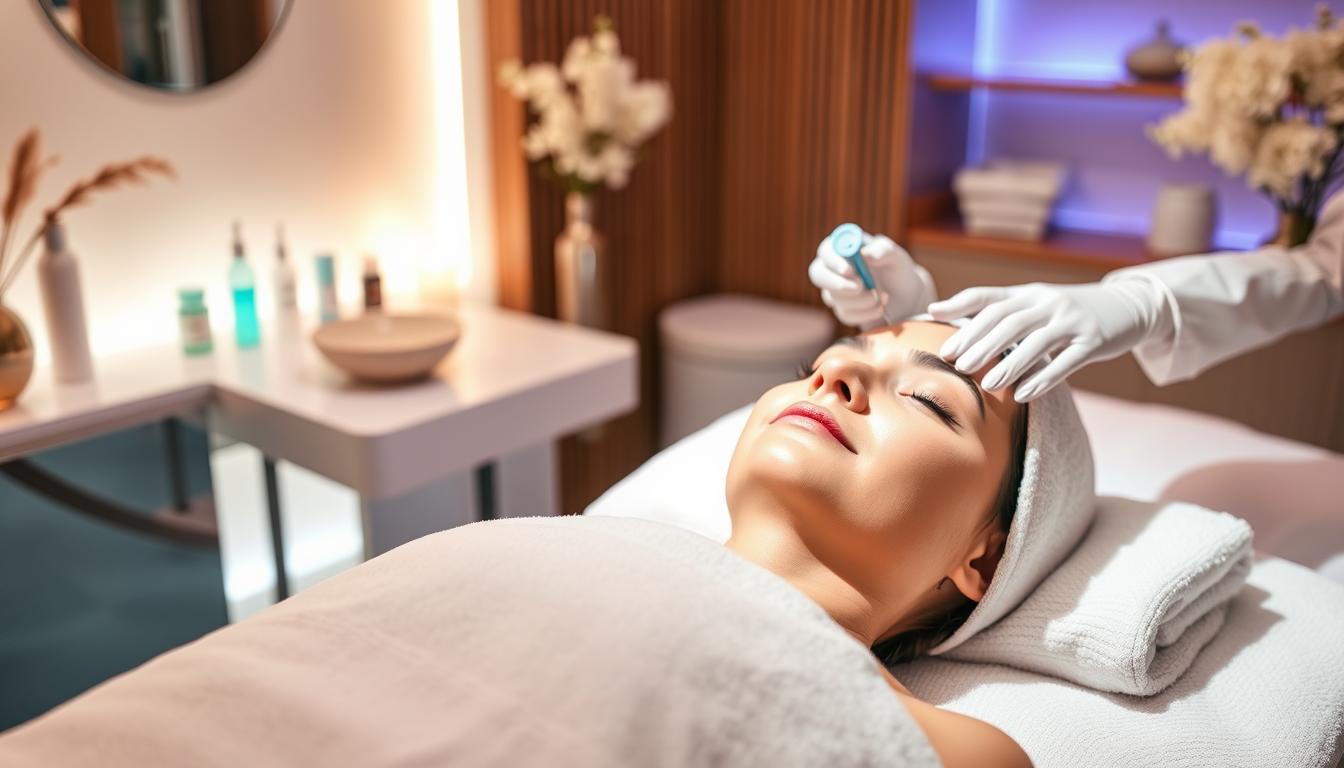
Chemical peels are an increasingly popular cosmetic procedure designed to improve the appearance of the skin by removing its outer layers. If you’re considering this transformative treatment, it’s essential to prepare adequately and understand what to expect during the process. Before your appointment, consult with your dermatologist or aesthetician to discuss your skin concerns and determine the type of chemical peel that best suits your needs. In the days leading up to your treatment, consider avoiding sun exposure and refrain from using retinoids or other strong exfoliants, as these can increase skin sensitivity. On the day of the chemical peel, arrive with a clean face free of makeup and skincare products. During the procedure, you may experience a slight tingling sensation, which is typically manageable. Afterward, it is common to experience some redness and peeling, but following your provider's post-treatment care instructions will help ensure optimal results. With the right preparation, chemical peels can reveal a brighter, smoother complexion, boosting your confidence and rejuvenating your skin.
Aftercare Tips for Optimal Results
After undergoing a chemical peel, achieving optimal results not only depends on the procedure itself but also significantly on the aftercare practices you follow. Proper care is essential to enhance the rejuvenating effects of chemical peels, ensuring your skin heals effectively and retains its new, vibrant appearance. Firstly, it’s crucial to keep the treated area clean. Gently cleansing the skin with a mild, non-irritating cleanser twice a day will help remove any residue and prevent infection. Next, hydration plays a key role; applying a soothing, fragrance-free moisturizer can aid in preventing dryness and flakiness, which are common post-peel symptoms. In addition, sunscreen is your new best friend—applying a broad-spectrum SPF 30 or higher protects your skin from harmful UV rays and prevents hyperpigmentation, a potential risk after the peel. Avoiding strenuous exercise and saunas for at least a week will lessen irritation, allowing your skin to heal. Finally, resist the urge to pick or peel any flaking skin, as this can lead to scarring or uneven texture. By adhering to these aftercare tips, you can maximize the benefits of your chemical peels and enjoy a smoother, more youthful complexion.