Unlock Radiant Skin: The Ultimate Guide to Collagen Induction Therapy
In the quest for youthful, glowing skin, many individuals are turning to innovative skincare treatments that promise rejuvenation and revitalization. One such effective method gaining popularity among skincare enthusiasts is Collagen Induction Therapy (CIT). This article aims to demystify collagen induction, outlining its benefits, the procedure, aftercare tips, and more. Discover how this therapy can unlock the secret to radiant skin, making it a worthy addition to your skincare regimen.

Key Takeaways
- Collagen Induction Therapy (CIT) stimulates the skin's natural collagen production for improved texture and appearance.
- The procedure offers numerous benefits, including reduced wrinkles, enhanced skin elasticity, and minimized scars.
- During the CIT process, a microneedling device creates micro-injuries, prompting the skin to heal and regenerate.
- Proper aftercare, such as moisturization and sun protection, is crucial for achieving the best results post-treatment.
- Debunking myths about CIT can help individuals make informed decisions about whether they are suitable candidates.
What is Collagen Induction Therapy?
Collagen Induction Therapy, often referred to as microneedling, is an innovative skin treatment designed to stimulate your skin's natural healing process through the use of fine needles. During the procedure, tiny, controlled punctures are made in the skin, prompting the body to produce new collagen and elastin. This process not only enhances the skin's texture and firmness but also reduces the appearance of fine lines, scars, and other imperfections. The benefits of collagen induction make it an appealing choice for individuals looking to rejuvenate their skin without invasive surgical procedures. By promoting the body's natural collagen production, this therapy offers lasting results, proving that sometimes, the best solutions are the ones that come from within.
Benefits of Collagen Induction for Skin Health
Collagen induction therapy, commonly known as microneedling, is gaining immense popularity in the skincare community, and for good reason. This innovative treatment stimulates the body's natural collagen production by creating micro-injuries in the skin, leading to enhanced skin texture, elasticity, and overall appearance. One of the most significant benefits of collagen induction is its ability to reduce the appearance of fine lines and wrinkles, providing a youthful glow without invasive procedures. Additionally, this treatment can improve skin tone by minimizing the appearance of hyperpigmentation and acne scars, giving a more even complexion. With minimal downtime compared to surgical options, many individuals are finding that collagen induction is a fantastic route to achieving healthier, youthful-looking skin. Patients often report smoother and firmer skin following a series of sessions, making it a sought-after choice among those invested in their skin health.
'The greatest wealth is health.' – Virgil
The Collagen Induction Procedure: What to Expect
The collagen induction procedure, also known as microneedling, is a revolutionary treatment designed to naturally stimulate the body's production of collagen. During this minimally invasive procedure, a device equipped with fine needles creates micro-injuries in the skin, prompting the body’s healing response. This process not only promotes collagen induction but also enhances skin texture, reduces fine lines, and tightens sagging areas, leaving your skin looking rejuvenated and vibrant. Patients can expect to see immediate improvements in their skin tone and texture, with optimal results typically visible within a few weeks as collagen production ramps up. Additionally, the downtime associated with this treatment is minimal, making it a popular choice for those looking to enhance their appearance without extensive recovery times. For those considering this effective solution, understanding the ins and outs of collagen induction can help set realistic expectations and ensure a successful outcome.
Aftercare Tips for Optimal Results
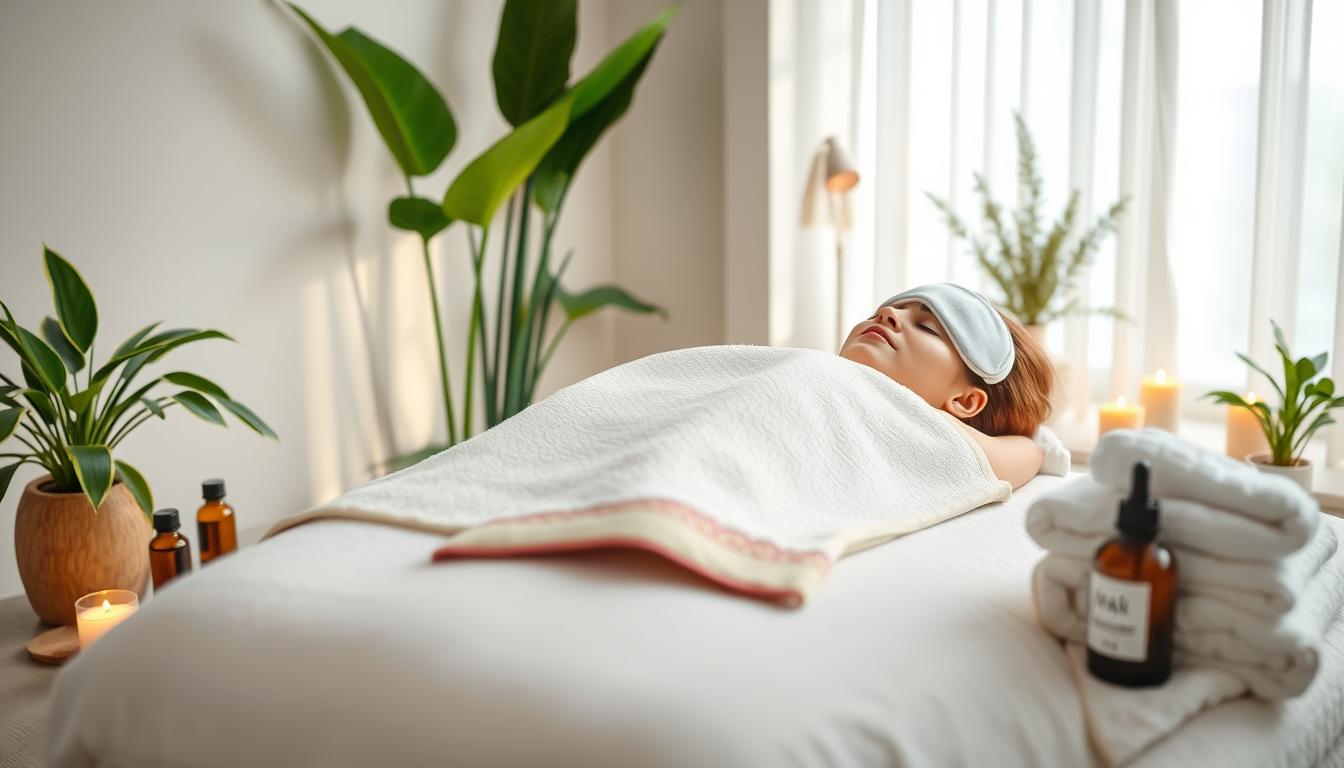
After undergoing a collagen induction treatment, often known as microneedling, it’s essential to follow proper aftercare tips to ensure optimal results. Collagen induction therapy is designed to boost your skin’s natural collagen production, leading to a smoother, more youthful appearance. To maximize these benefits, begin by keeping your skin clean and moisturized. Use a gentle cleanser to avoid irritating the treatment area, and opt for a hyaluronic acid serum to maintain hydration and promote healing. Avoid direct sun exposure and apply a broad-spectrum sunscreen daily to protect your skin and prevent any discoloration. Additionally, refrain from using harsh skincare products such as retinols or exfoliants for at least a week post-treatment, as these can aggravate the skin. Staying hydrated and considering a nutrient-rich diet can also support the healing process and enhance collagen induction effects. By following these aftercare tips, you can enjoy the full benefits of your treatment and reveal brighter, rejuvenated skin.
Common Myths and Misconceptions about Collagen Induction
Collagen induction therapy, often referred to as microneedling, has gained significant popularity in the cosmetic and skincare industry. However, with its rise in popularity, numerous myths and misconceptions have emerged, leaving many potential patients misinformed. One common myth is that collagen induction is only suitable for those with severe skin issues. In reality, this treatment can benefit a wide range of skin types and conditions, including fine lines, acne scars, and uneven texture. Another misconception is that the procedure is excessively painful; most patients report minimal discomfort, with many describing it as similar to a light scratching sensation. Additionally, some believe that results from collagen induction are immediate. Truthfully, while some improvement may be visible right after the procedure, optimal results typically emerge after several weeks as the skin continues to heal and regenerate collagen. Understanding these common myths surrounding collagen induction can help individuals make informed decisions about their skincare routines and the potential benefits of this transformative therapy.